

AFFORDABILITY

Affordability as Economic Justice
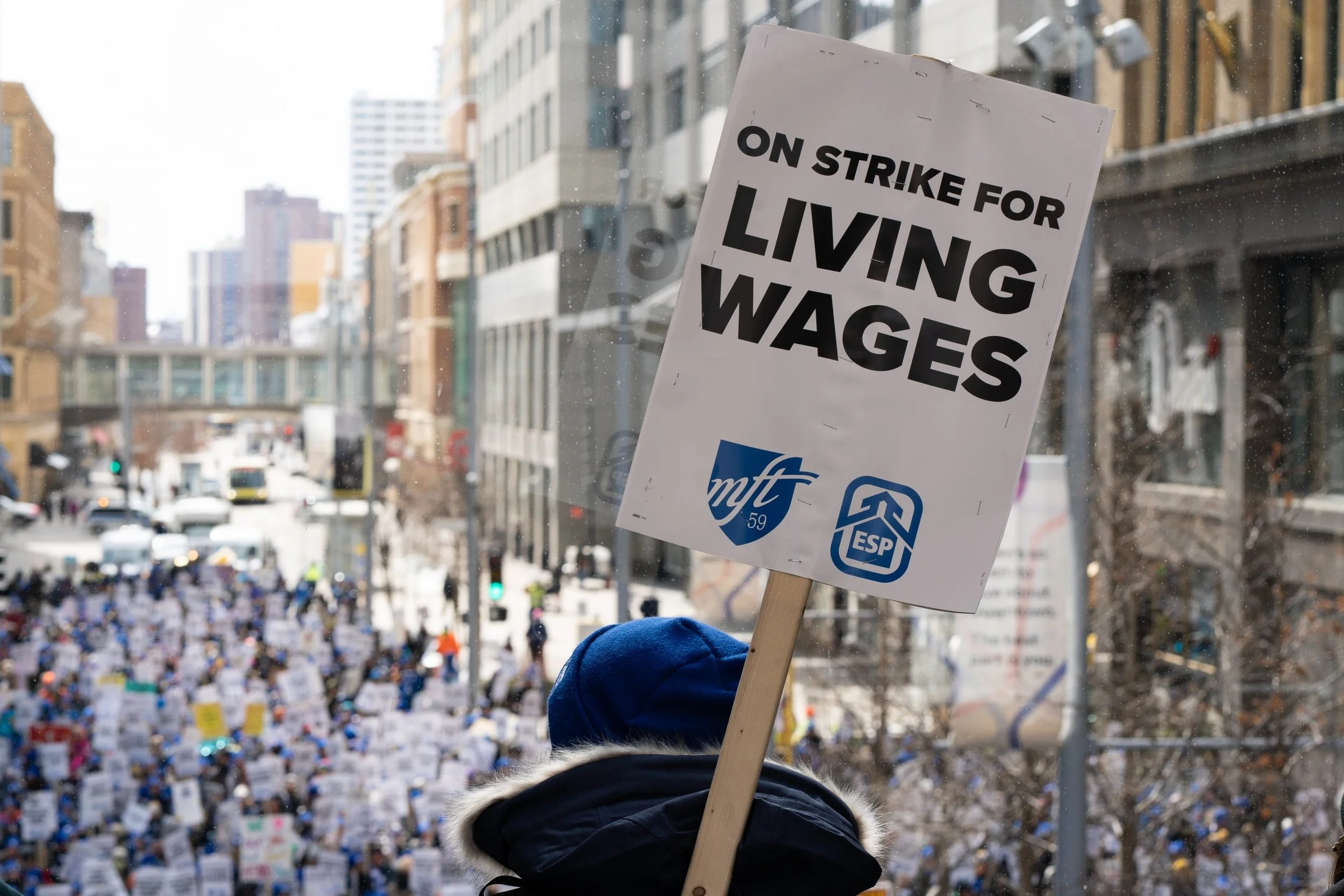
Affordability is not just about prices—it is about whether working people can actually build a life with dignity in the communities they call home. When rent rises faster than wages, when health care and child care swallow paychecks, and when seniors fear that long-term care will erase a lifetime of savings, economic injustice becomes everyday reality.
The proposals in this section focus on lowering the real cost of living: stabilizing housing, expanding health care access, supporting seniors and caregivers, investing in child care and public sector workers, and revitalizing downtowns to lower and stabilize property taxes for homeowners and renters alike. Throughout my legislative career, I have fought to make budgets reflect people’s lived experience, using tax policy, fraud prevention, and targeted investment to put money back in family pockets. Affordability is the foundation that allows safety, equity, and opportunity to mean something real for Senate District 65.
Downtown
Affordable Housing Conversion Tax Credit
This proposal would create a state tax credit to convert underused downtown office space into housing, offsetting the property tax burden of homeowners across cities by expanding the taxable base and stopping further shifts onto existing residents. Projects receiving the credit would be required to include affordable units and long-term rent stability, not just luxury redevelopment.
By repurposing existing buildings in cities like Saint Paul and West Saint Paul, the program would add new taxpayers to the rolls, reduce vacancy-driven losses, and help prevent future property tax increases on families and seniors. Revitalization should spread costs more fairly so communities can grow without pushing residents out.
Public Option
Housing (In-House
Development) Pilot
This proposal would provide pilot grants to cities and counties including Saint Paul, West Saint Paul, Ramsey, and Dakota County to build housing directly rather than outsourcing projects through costly RFPs. By in-sourcing development expertise, local governments can deliver mixed income housing faster, keep long term public ownership, and lower rents through mission driven construction instead of profit driven margins.
When a city controls the asset, it can leverage that property to finance additional low income housing and better meet the full range of community housing needs. Housing should be treated like a utility, a basic service that is planned for the public good rather than left to the volatility of the private market.
Tax Data
Centers to Offset
Utility Impacts
This proposal would establish a targeted tax on large data centers whose intensive electricity and water use strain local grids and drive up costs for residents. Revenue from this tax would be dedicated to expanding green energy generation, modernizing water infrastructure, and providing utility subsidies to consumers so households are not forced to pay for the impacts of corporate demand.
As Minnesota attracts more tech investment, communities should benefit rather than shoulder higher bills and environmental stress. Growth must help fund the infrastructure it depends on, protecting ratepayers while accelerating a cleaner, more resilient energy system.
Protect Seniors
from Long-Term Care Impoverishment
This proposal would expand asset protections for seniors so long-term care does not turn illness into financial ruin. It would raise the spousal support allowance to reflect real housing and living costs, shield modest homes, pensions, and retirement accounts from forced spend-downs, and end abusive estate recovery practices that take family property after a loved one dies.
The policy would also simplify eligibility rules so couples are not pushed into divorce on paper just to qualify for care, and provide free counseling to help families navigate options before they make irreversible decisions. No Minnesotan should lose a lifetime of savings because a spouse needs care, and no caregiver should be driven into poverty for doing the right thing. Supporting aging with dignity is both a moral obligation and a smart economic investment that keeps seniors stable in their communities.
Support Efforts
to Expand Health
Care Access
This proposal would support a range of state and federal efforts to make health care affordable and accessible for every Minnesotan, including public options, prescription drug reforms, and movement toward single-payer models.
By reducing insurance bureaucracy, negotiating fair prices, and guaranteeing essential benefits, we can lower costs for families, protect small businesses, and reduce medical debt.
Minnesota should pursue every available pathway—innovation waivers, public plan buy-ins, and stronger consumer protections—to ensure that seeing a doctor is never out of reach. Health care must be treated as a basic public service, not a monthly gamble.
24-Hour Child Care
Hubs to Support
Working Families
This proposal would fund 24-hour child care hubs in partnership with existing providers in Ramsey and Dakota Counties to serve nurses, drivers, hospitality workers, first responders, and other parents who work nights, weekends, and rotating shifts. Grants would help providers extend hours, hire and retain staff, cover transportation assistance, and create safe overnight programming that meets licensing and early-learning standards.
Access to care that matches real work schedules means parents can keep full-time jobs, avoid costly last-minute babysitting, and stop losing wages because child care closes before their shift ends. By stabilizing employment and reducing out-of-pocket costs, the program puts money back in family budgets and helps workers afford rent, groceries, and health care. The economy runs around the clock, and Minnesota’s child care system must do the same so parents can afford their lives.
Establish a Minnesota State Bank for Housing, Small Business, and Students
This proposal would create a Minnesota State Bank Task Force to design a publicly owned bank capable of financing low-interest loans for affordable housing, small businesses, and student borrowers. The task force would study governance models, risk standards, and partnerships with community banks and credit unions to ensure public dollars expand access to capital in neighborhoods that private lenders overlook.
It would develop plans to lower borrowing costs for first-time homebuyers, stabilize financing for locally owned businesses, and offer fair student loan refinancing. Treating public finance as a tool for public good can help families afford homes, entrepreneurs create jobs, and students build futures here in Minnesota.
Invest in
Existing Fraud
Prevention Efforts
This proposal would support existing efforts to strengthen Minnesota’s fraud prevention systems so public dollars reach the people and services they are meant to support. The state should expand internal controls, modern auditing tools, and independent oversight to catch problems early—before money is lost to waste, abuse, or mismanagement. Requiring segregation of duties, routine monitoring of high-risk grants, and clear reporting to the State Auditor and law enforcement will protect taxpayers while improving confidence in public programs.
Every dollar saved through prevention is a dollar that can go toward lowering property tax pressure, stabilizing child care costs, supporting seniors, and keeping health care affordable. Smart oversight is one of the most direct ways to make life more affordable without cutting the services families depend on.
Support Teacher
Insurance Reform
& Public Sector Parity
This proposal would support teacher insurance reform and expand similar cost-saving models to other public sector workers so that health benefits stop eating up wages and school budgets. By pooling plans, increasing transparency, and reducing the role of high-cost middle administrators, districts can lower premiums without cutting coverage.
When insurance costs come down, teachers keep more of their paychecks, property tax pressure eases, and schools can invest in classrooms instead of rising health bills. Extending these reforms to cities, counties, and state employees would help stabilize public budgets and reduce the need for levy increases that hit homeowners and renters. Lower insurance costs are one of the fastest ways to make life more affordable for working families and the communities that fund public services.
A Bonding Bill
That Builds Senate District 65 Together
This proposal would advance a bold bonding bill strategy that unites the Saint Paul delegation and the West Saint Paul City Council’s Proposals around projects that create good-paying union jobs and build at an unprecedented clip. By aligning state investment in transit, housing, schools, parks, and water infrastructure, we can put thousands of trades workers on the job while delivering visible improvements families rely on every day.
A coordinated delegation approach ensures Saint Paul speaks with one voice for projects that stabilize neighborhoods, expand affordable housing, and modernize aging facilities before they become more expensive emergencies. Bonding is one of the most powerful tools the Legislature has to grow the economy now, and when done at scale it lifts wages, strengthens local contractors, and leaves lasting public assets for the next generation.
Dedicated
Housing Funding Amendment
This proposal would support the Our Future Starts at Home campaign and its constitutional amendment creating a permanent housing funding stream through a three-eighths of one percent sales tax dedicated entirely to housing. Revenue would flow to a Homeownership Opportunity Fund, Rental Opportunity Fund, and Community and Household Stability Fund, guided by community councils and public accountability to reduce disparities, stabilize renters, and expand affordable, accessible homes.
After decades of underinvestment, dedicated constitutional funding would provide stable, year-to-year resources so every Minnesotan can live in a safe, healthy, and affordable home regardless of political cycles. By embedding housing investment in the constitution, Minnesota can lower housing cost burdens, prevent homelessness, and ensure stable homes are within reach for families across the state.
Expand Childcare Reimbursement Payments
Minnesota’s Child Care Assistance Program (CCAP) is meant to help working families afford child care, but reimbursement rates are often far below the actual cost of providing quality care. As a result, many child care providers cannot afford to accept CCAP families, which leaves parents struggling to find available slots and forces some providers to close or limit enrollment. When the state underpays for child care, both families and providers lose.
I support expanding CCAP reimbursement payments so they reflect the real cost of care and allow more providers to participate in the program. Increasing these payments will stabilize child care businesses, expand available slots for families, and help ensure that parents can work while their children are in safe, high-quality environments. Strengthening CCAP is one of the most direct ways Minnesota can lower child care costs and support working families.
A Fifth Income Tax Tier for the Wealthiest Minnesotans
Minnesota’s tax system should reflect our shared commitment to fairness and opportunity. Creating a fifth income tax tier for the highest earners ensures that those who have benefited the most from our economy contribute a little more to the investments that make our state strong. A modest increase on the very highest incomes would allow Minnesota to raise stable revenue without increasing taxes on middle-class families, while helping keep the cost of essential services affordable for everyone.
The revenue from a fifth tier tax can help Minnesota continue investing in public education—from early childhood programs and child care to K-12 schools and higher education. Strong schools are one of the best long-term strategies for improving affordability because they create opportunity, prepare students for good-paying jobs, and strengthen our workforce. By asking the wealthiest Minnesotans to contribute a little more, we can keep education strong while making it easier for families to afford to live, work, and raise children in Minnesota.
Increase the
Social Security
Tax Cap
For decades, the federal government has capped the amount of income subject to Social Security taxes, meaning that once high earners reach that threshold, they stop contributing while working families continue paying on every dollar they earn. Minnesota has the opportunity to pick up where the federal system left off by increasing the effective cap at the state level, ensuring that the highest earners continue contributing their fair share.
Revenue generated from expanding the Social Security tax base could be used to strengthen services that help seniors age with dignity. That includes investments in home and community-based care, senior housing, caregiver support, and programs that help older Minnesotans remain independent. As our population ages, ensuring sustainable funding for senior services will help families manage costs while making sure our elders receive the care and support they deserve.
Manufactured
Home Bill
of Rights
Manufactured home residents deserve stability, fairness, and protection. Too often, families who own their homes but rent the land underneath them are hit with sudden lot rent increases, excessive fees, or forced out when parks are sold to outside investors. In the middle of a housing crisis, we cannot allow some of Minnesota’s most affordable homeownership opportunities to be destabilized by predatory practices.
I support a Manufactured Home Park Residents’ Bill of Rights to cap unreasonable rent increases, require clear notice and justification for changes in costs, limit abusive fees, and strengthen enforcement against negligent park owners. This policy would also give residents a real opportunity to purchase their park when it goes up for sale, helping preserve long term affordability and community stability.
Expand the
North Star
Promise
Higher education should open doors, not trap students in debt. The North Star Promise already helps eligible Minnesota students from families earning under $80,000 attend participating schools with tuition and fee support, but too many students still struggle with the real cost of college because books, housing, transportation, and other basic expenses are not fully covered.
I will fight to protect and expand the North Star Promise so more Saint Paul students can afford to stay in school and complete a degree, certificate, or trade program. That means defending the program from cuts, improving outreach so more families actually use it, and pushing for stronger support for the full cost of attendance beyond tuition alone. College affordability should not stop at admission. We need tangible action that helps working families get students into school, keep them there, and graduate with less debt.
Close
Corporate
Tax Loopholes
We should not have to choose between funding disability services or feeding hungry children, fixing roads or helping seniors stay housed. The real choice is whether we keep giving handouts to billionaires and billion dollar corporations, or finally require them to pay what they owe. I support Sen. Erin Quade’s proposal to close corporate tax loopholes and make the wealthiest corporations pay their fair share so Minnesota can protect the people who need us most.
I will fight to end tax breaks for the ultra wealthy and large corporations and use that revenue to strengthen schools, housing, health care, infrastructure, and other essential services. At a time when the Trump Administration is creating chaos and squeezing working people at every turn, Minnesota must act. We can face down that chaos and keep delivering for our communities by asking those at the top to finally pay their share.